About Heat Exchangers For For Power Plant
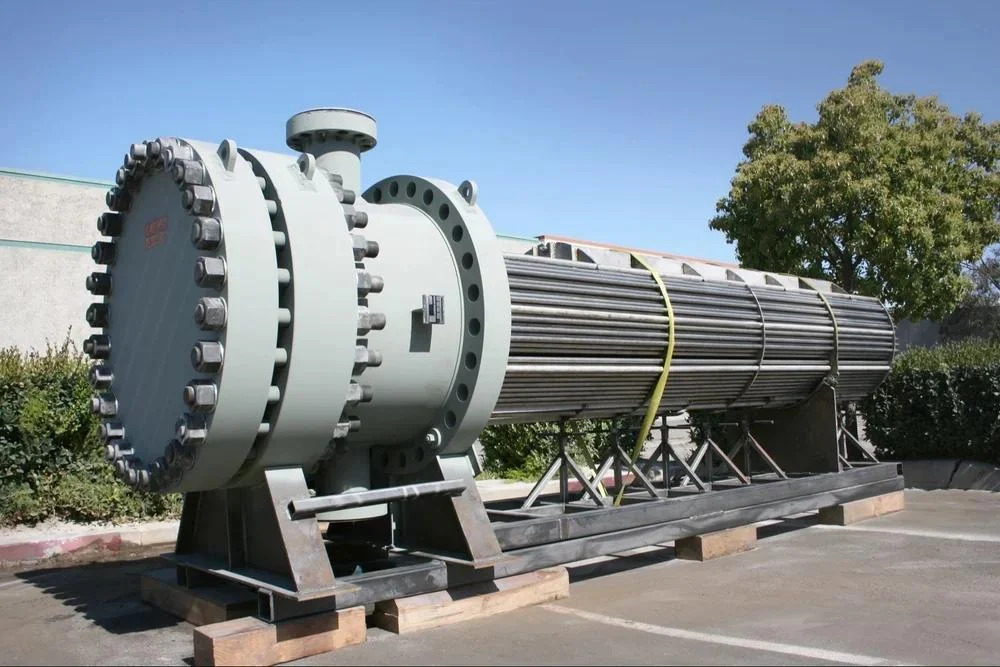
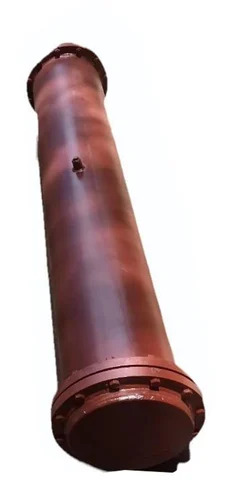
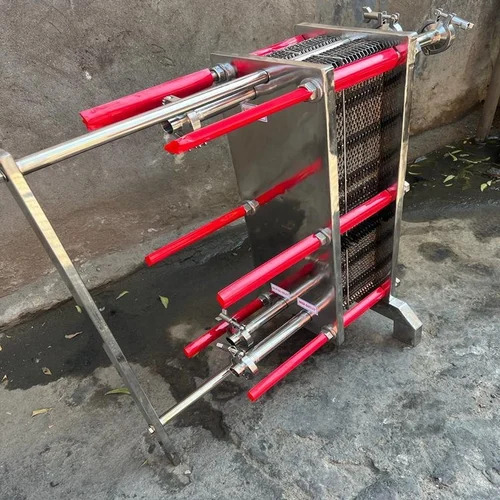
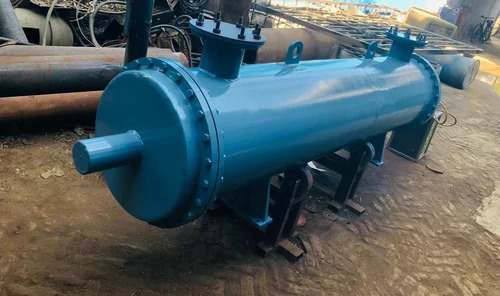
Unlock the power of thermal performance with our Heat Exchangers for Power Plants-where engineering meets a sizzling masterpiece. Crafted from ace materials like Carbon Steel, Stainless Steel, or Alloy Steel to ASME/IS standards, these exchangers are designed to grab attention with exceptional durability and efficiency. Each unit flaunts glorious versatility, offering tube options in copper, stainless steel, or titanium and boasting robust corrosion protection. Enjoy masterful reliability with rigorous NDT testing and capacities scaling up to 300 MW thermal load transfer. Ace your plant's uptime and efficiency-make this powerhouse yours today!
Versatile Application Across Power Plant Facilities
Our Heat Exchangers are widely used at power plant sites for precise liquid-to-liquid heat transfer in turbine condensers, feedwater heaters, and cooling circuits. They serve a vital role in both fossil fuel and renewable energy plants, catering to custom dimensions and heavy-duty performance. Their flexible adaptability allows deployment in thermal, nuclear, and solar applications, ensuring efficient energy conversion and system longevity in every environment where reliable heat management is paramount.
Export Supply, Sample Terms, and Packaging Approach
We supply Heat Exchangers on a global scale, with major exports to Asia, the Middle East, and Africa. Sample units are available on a chargeable basis, ensuring customers experience product quality before finalizing larger orders. Packaging is robust, using export-grade wooden crates and custom supports to handover equipment securely at your site. Our reliable logistics ensure every delivery matches international standards and is ready for seamless installation at your facility.
FAQ's of Heat Exchangers For For Power Plant:
Q: How does the material selection enhance the longevity of these heat exchangers?
A: The use of Carbon Steel, Stainless Steel, and Alloy Steel as per ASME/IS standards, combined with optional tube materials like titanium and corrosion protection coatings, ensures superior durability and resistance to environmental damage, extending operational lifespan.
Q: What testing processes are utilized to guarantee performance and safety?
A: Each heat exchanger undergoes rigorous hydrostatic or helium leak testing, alongside radiography and ultrasonic (NDT) inspections, to verify structural integrity and operational reliability prior to supply.
Q: Where are these heat exchangers most effectively used within a power plant?
A: They are primarily installed in steam and water circuits, including turbine condensers, feedwater heaters, and cooling systems, where high-efficiency, large-scale liquid-to-liquid heat transfer is essential.
Q: When is maintenance required and how is accessibility ensured?
A: Maintenance schedules typically follow plant guidelines; however, removable tube bundles and channel covers allow easy internal access for inspection or cleaning, reducing downtime during servicing.
Q: What are the benefits of customized design options for power plants?
A: Custom sizing, material selection, and support configurations allow the exchanger to fit precisely within your power plant's specifications, optimizing heat transfer efficiency and operational convenience.




 Send Inquiry

 Send Inquiry
 Send Inquiry
 Send SMS